03-26

What’s working principle of DX3201?
A: Principle: Stream of electrons generated through high voltage flows into the X-ray tube and target material shall generate primary X-rays, which shoot into the sample products being tested after filter and aggregation and generate secondary X-rays, that is X fluorescence we usually refer. After being detected by the detector, X fluorescence is amplified and undergoes data reduction, which is entered the computer. Finally, the computer calculates the results we need. TypeInfo: Solutions

03-26

What are the six substances the RoHS restricts?

A: Hexavalent chromium, cadmium, mercury, lead, polybrominated biphenyls and polybrominated diphenyl ethers. TypeInfo: Solutions

03-26

What are the highest content limitations of the six substances restricted in the ROHS respectively?

A: 1,000ppm (hexavalent chromium), 100ppm (cadmium), 1,000ppm (mercury), 1,000ppm (lead), 1,000 ppm (polybrominated biphenyls) and 1,000ppm (polybrominated diphenyl ethers). TypeInfo: Solutions

03-18

Halogen free testing solution

First, the definition of halogens Halogen, short for halogen elements, is the VII.A element on the periodic table, including fluorine, chlorine, bromine, iodine, hey and other five elements. Because it belongs to radioactive elements, people often say that halogens refer to fluorine, chlorine, bromine, and iodine.

03-18

Solution for detecting polybrominated diphenyl ethers in electronic and electrical products

I. Introduction to polybrominated diphenyl ethers: The Parliament and Council of the Union adopted the RoHS Directive in January 2003, the full name of which is The Restriction of the use of certain Hazardous Substances in Electnical and Electronic Equipment,

03-18

Limit value and detection plan for heavy metal precipitation from faucets
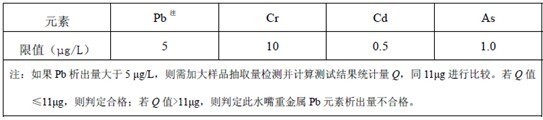
Preface: Faucet, also known as faucet, is the main component of bathroom products and is closely related to people's daily life. In addition to quality indicators such as energy conservation, water conservation, safety, and aesthetics, the amount of heavy metal precipitation from water nozzles has also become an environmental health and safety indicator of concern to the construction hardware industry. Recently, the Shanghai Quality Supervision Bureau conducted a special spot check on the quality of faucet products produced and sold in Shanghai. After inspection, 21 out of 68 batches of products were found to be unqualified, with a failure rate of 31%. Among them, 6 batches of products had lead precipitation exceeding the standard, and 1 batch of products had chromium precipitation exceeding the standard.